
Gym Design Trends: Modular Spaces That Maximize Flow
In recent years, the fitness industry has seen rapid evolution in how gyms and sports club facilities are built and arranged. As member expectations shift toward flexibility, functionality, and seamless movement, designers are embracing modular layouts—dynamic environments that adapt to workouts rather than forcing workouts to fit a fixed space. Whether it's a boutique studio or a large-scale sports club, modular gym design is becoming a defining trend that enhances member experience and operational efficiency.
1. The Rise of Modular Zones in the Club Gym
Traditional gyms often relied on static layouts with designated strength, cardio, and stretching areas. Modern club gym design, however, emphasizes modular zones—sections of the gym that can quickly transform based on class schedules, peak usage times, or community events.
Elements like movable partitions, foldable rigs, and mobile storage systems allow staff to adjust space in minutes. This flexibility lets a sports gym host a strength session one hour and a mobility workshop the next without compromising flow or safety.
2. Maximizing Flow Through Smart Spatial Planning
Maintaining smooth member flow is a top priority for innovative sports club facilities. Modular design enhances flow by:
- Reducing bottlenecks with strategically placed walkways
- Opening up multifunctional training zones
- Streamlining equipment access via mobile racks and storage walls
- Creating intuitive pathways that reduce confusion for new members
A well-planned modular layout makes the gym feel larger, more open, and far more user-friendly.
3. Technology-Ready Modular Spaces
As digital integration becomes a staple of the modern sports club, modular spaces are designed with tech in mind. Gyms are incorporating:
- Retractable screens for virtual classes
- Portable lighting and AV systems
- Smart flooring that tracks performance
- Plug-and-play stations for connected equipment
This ensures the facility stays future-ready without requiring major remodelling.
4. Multi-Function Equipment for the Sports Gym of Tomorrow
Modular design isn't just about space—it’s also about equipment versatility. Many sports gyms are shifting to gear that supports multiple training styles, such as:
- Adjustable cable machines
- Mobile squat racks
- Stackable plyometric boxes
- Convertible benches
- Portable functional training rigs
By prioritizing multifunctionality, gyms reduce clutter and provide more variety in less space.
5. Community-Cantered Design Enhancements
Modular layouts also support the growing demand for community-focused fitness experiences. Sports clubs now design open lounge areas that can double as event spaces, nutrition corners, or recovery stations, giving members more reasons to stay engaged beyond their workouts. These dynamic zones strengthen the sense of community that keeps members returning.
Modular design is redefining the modern sports club and club gym by creating flexible environments that evolve with members’ needs. From enhanced flow and smart technology integration to versatile equipment and community-driven spaces, today’s sports club facilities prioritize adaptability and experience. As fitness culture continues to change, modular gym design ensures that clubs remain efficient, inspiring, and ready for the future.

Do you have any questions? Please feel free to contact us!
Consultation appointment
Let our experts guide you on the way to your Palazzina!
Our Palazzinas
Add ons
Let us advise you about our add on offers!
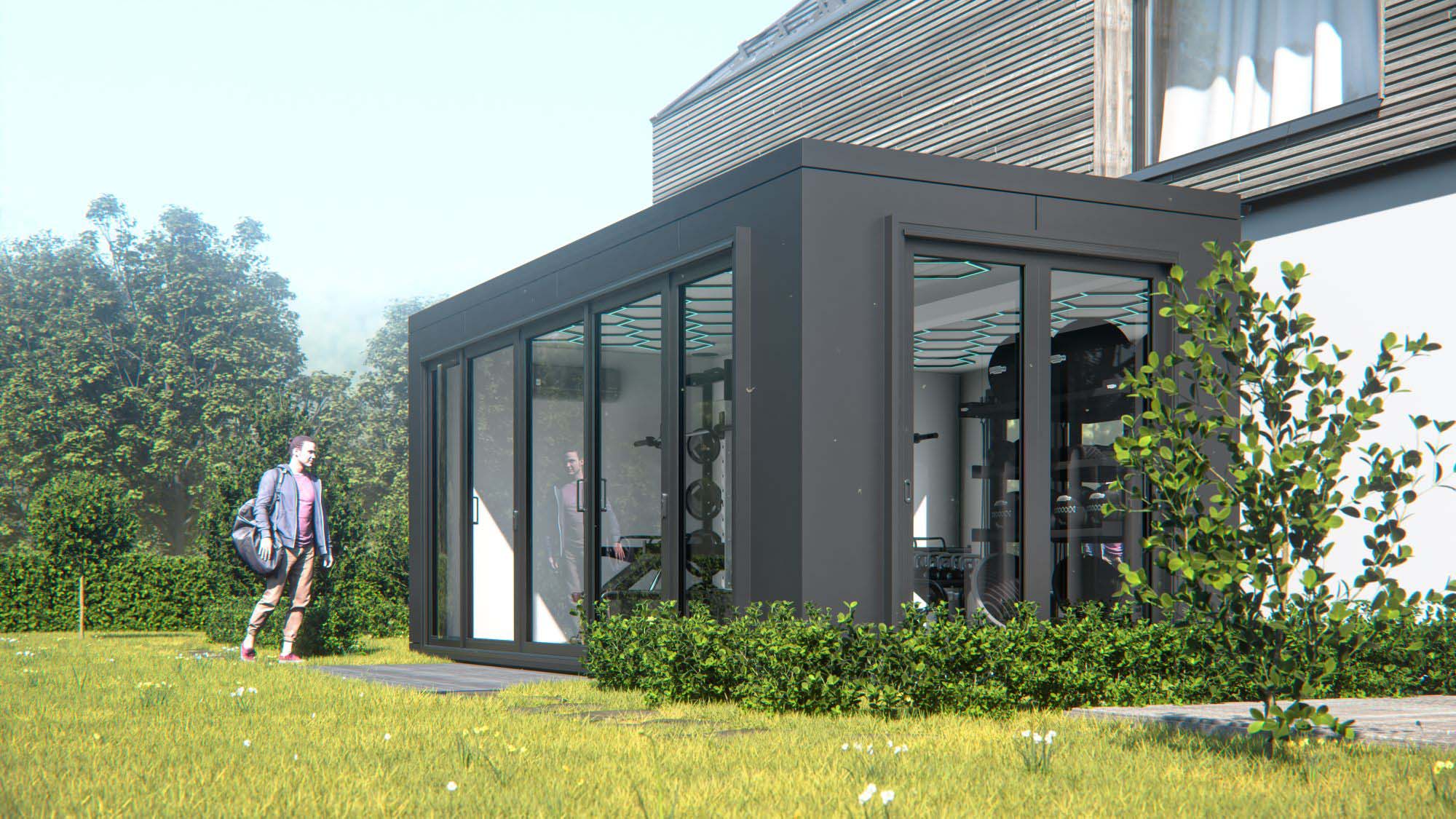
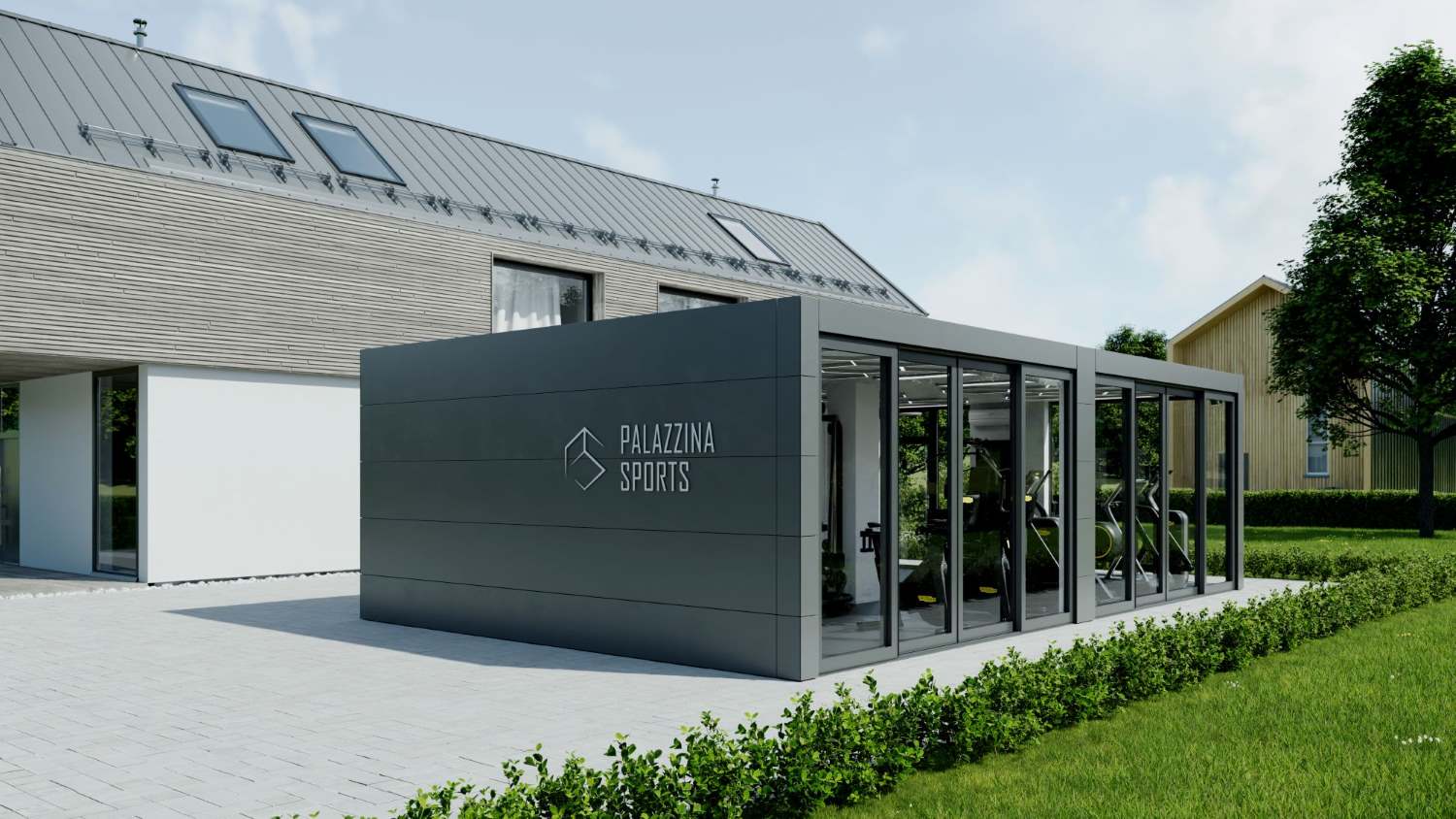
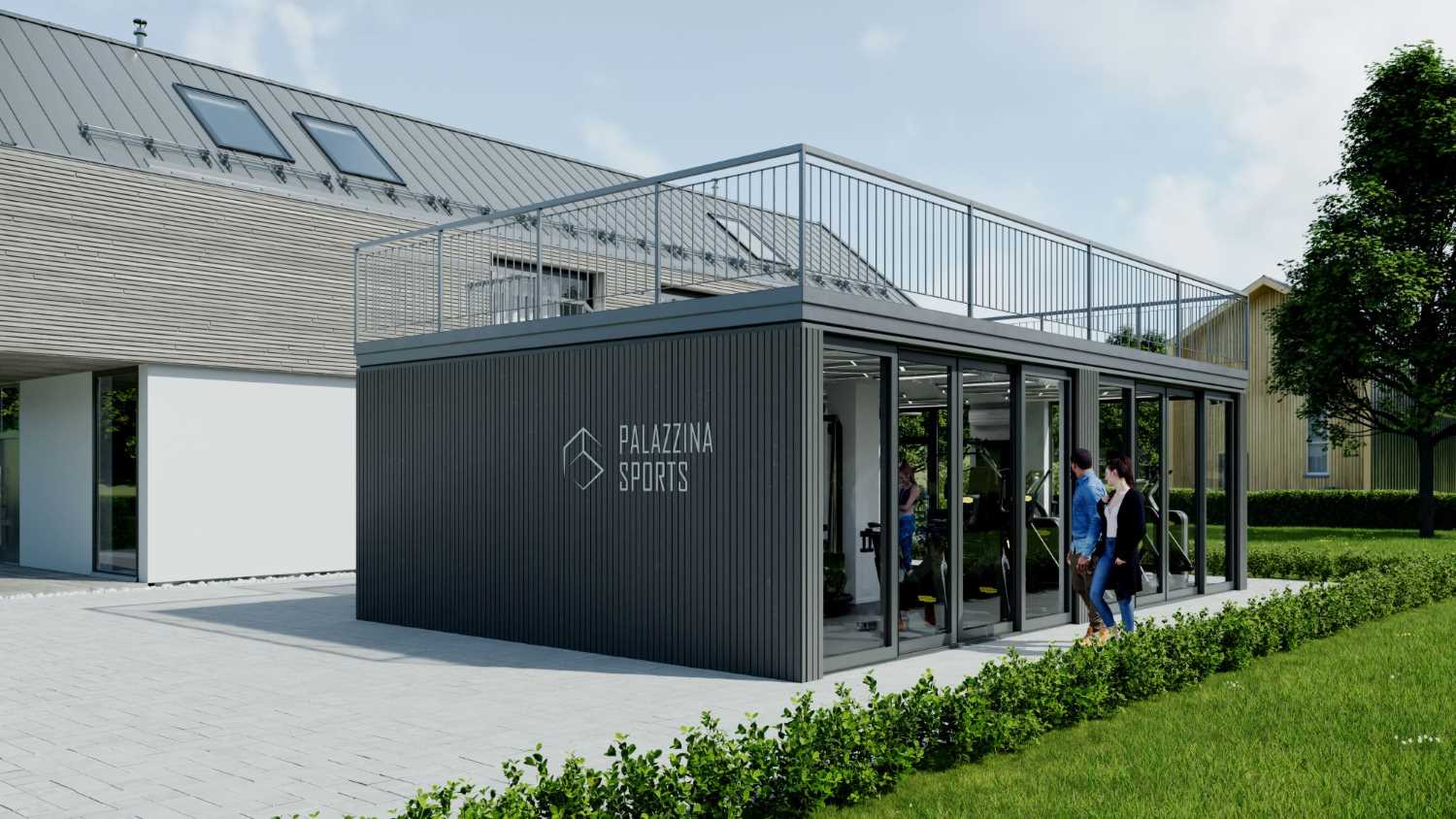
With our Palazzinas, you can have numerous additional wishes fulfilled. From the terrace on the Palazzina roof, a sanitary area and special interior and exterior wishes to the individual composition of the individual sports equipment.
Palazzina Showroom
Convince yourself of our innovative concept!
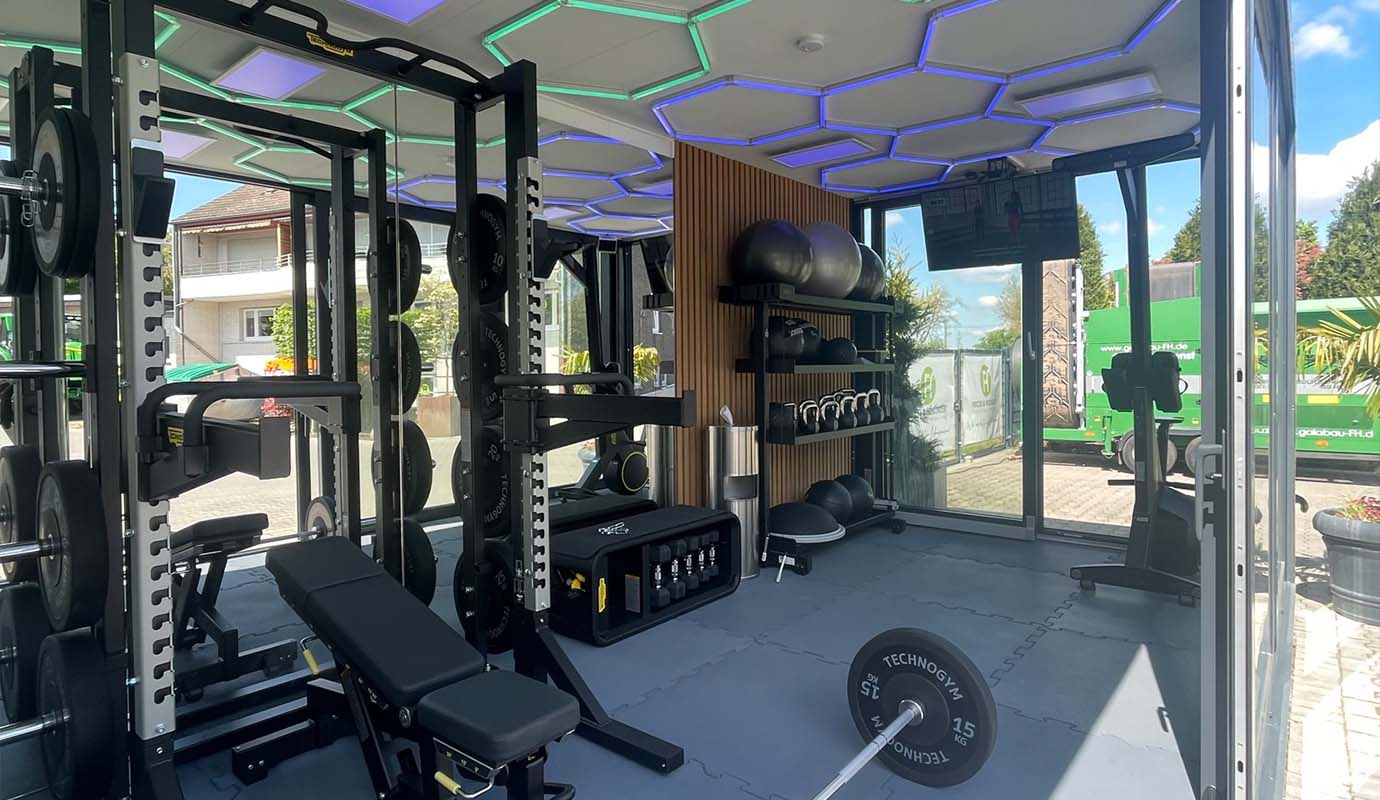
Discover the future of the gym in our showroom and experience the diverse possibilities of our modular gym.