
Small Modular Gym Clubs: Smart Fitness Spaces for Limited Areas
The fitness industry is evolving, and space-efficient training facilities are becoming an attractive solution for businesses, residential communities, hotels, and fitness entrepreneurs. Small modular gym clubs offer a practical way to create professional workout environments without requiring large commercial spaces.
With a carefully planned club gym layout and versatile gym equipment, even limited areas can become functional fitness spaces that support strength training, cardio workouts, and group exercise.
Whether you're opening a boutique fitness studio, upgrading a hotel fitness room, or designing a compact commercial gym, modular solutions offer flexibility, efficiency, and opportunities for future expansion.
What Is a Small Modular Gym Club?
A small modular gym club is a compact fitness facility designed around adaptable layouts, multifunctional training zones, and space-efficient equipment.
Unlike traditional large gyms, modular fitness clubs focus on using available space efficiently while maintaining a comfortable training environment.
A modular club gym may feature:
- Compact strength-training stations
- Multifunctional gym equipment
- Flexible workout zones
- Modular storage systems
- Space-saving cardio machines
- Adaptable areas for personal and group training
The goal is to create a practical, professional fitness space that can evolve with changing training needs.
Why Small Modular Gym Clubs Are a Smart Investment
Small modular gym clubs can offer several advantages for fitness businesses and property owners.
1. Efficient Use of Limited Space
One of the biggest advantages of modular fitness spaces is their ability to maximise available floor space.
By selecting compact gym equipment and creating well-organised workout zones, operators can accommodate a range of activities without overcrowding the facility.
For example, one training area can serve different purposes throughout the day, including strength workouts, mobility sessions, and personal training.
2. Lower Initial Investment
A smaller club gym may require less investment in premises, equipment, and interior construction compared with a large commercial fitness centre.
Choosing multifunctional gym equipment can also reduce the number of separate machines needed.
However, total costs depend on the location, equipment quality, property requirements, and installation complexity.
3. Flexible and Scalable Design
Modular fitness spaces can be adapted as membership levels and customer needs change.
Operators may begin with essential training stations and gradually introduce additional gym equipment, storage solutions, or dedicated exercise zones.
This approach can make expansion easier to plan and manage.
4. Personalised Training Experience
A compact club gym can offer a focused fitness environment.
Smaller facilities may be particularly suitable for personal training, small-group sessions, and specialised fitness programmes.
A thoughtful layout can also create a welcoming atmosphere that encourages members to return regularly.
Essential Gym Equipment for a Small Modular Gym Club
Choosing the right gym equipment is central to the success of a compact fitness facility.
The best solutions combine versatility, durability, safety, and efficient use of space.
1. Multifunctional Strength Training Machines
Multifunctional machines allow members to perform several exercises using a single piece of equipment.
Popular options include:
- Dual adjustable pulley systems
- Functional trainers
- Compact cable machines
- Multi-station strength machines
- Combination strength-training units
These machines help reduce the need for numerous single-purpose stations.
For a professional club gym, commercial-grade construction and suitable weight capacities are important considerations.
2. Compact Cardio Equipment
Cardio training remains an important part of many fitness programmes.
Small modular gym clubs can benefit from compact cardio machines such as:
- Exercise bikes
- Rowing machines
- Compact treadmills
- Elliptical trainers
- Air bikes
The number and type of cardio machines should reflect the expected number of users, training preferences, and available space.
3. Free Weights and Adjustable Benches
Free weights offer considerable training versatility while requiring relatively little space when stored correctly.
Essential gym equipment may include dumbbells, kettlebells, adjustable benches, and weight plates.
Dedicated storage racks help maintain organisation and reduce trip hazards.
These products are particularly useful in a club gym that offers individual strength training or coached workouts.
4. Functional Training Equipment
Functional training is well suited to flexible workout areas.
Resistance bands, medicine balls, suspension trainers, exercise mats, and other portable accessories can support strength, mobility, and conditioning sessions.
Because many of these items can be stored between classes, the same floor area can be used for multiple activities.
Any wall-mounted or suspended equipment should be installed using appropriate structural supports.
5. Modular Gym Storage
Storage is often overlooked when planning a small fitness facility.
Wall-mounted racks, compact shelving, and dedicated equipment organisers can keep workout areas clear.
Effective storage improves accessibility, supports a professional appearance, and helps members move around the facility safely.
How to Design an Efficient Club Gym Layout
A successful club gym needs more than high-quality machines. Its layout should support comfortable movement, practical equipment access, and efficient training.
- Divide the Space into Training Zones
- A compact gym can be organised into several functional areas:
- Strength zone: Dumbbells, adjustable benches, cable machines, and other resistance-training equipment.
- Cardio zone: Selected cardio machines with appropriate operating clearance.
- Functional training zone: An open area for mobility exercises, stretching, and small-group workouts.
- Storage zone: Dedicated space for accessories, cleaning supplies, and unused equipment.
The size of each zone should reflect expected usage and the training services offered.
Choose Equipment with Multiple Functions
Selecting multifunctional gym equipment can make a significant difference in smaller facilities.
For example, a dual adjustable pulley machine can support upper-body, lower-body, and core exercises without requiring several separate stations.
Adjustable benches and portable accessories also allow operators to offer a wider range of exercises within the same space.
Maintain Clear Circulation Routes
Members should be able to move between training stations without walking through active exercise areas.
Provide sufficient clearance for each machine, considering its moving parts and the manufacturer's installation instructions.
Accessibility requirements, emergency exits, ventilation, and building regulations should be considered during the planning process.
Use Lighting and Interior Design Effectively
Bright, well-positioned lighting can make compact fitness spaces feel more open and comfortable.
Mirrors, coordinated finishes, and organised storage may further improve the visual environment.
Durable flooring and suitable acoustic treatments can also enhance the overall training experience.
Where Are Small Modular Gym Clubs Most Useful?
Modular gym concepts can be applied across several commercial and residential environments.
Boutique Fitness Studios
Small fitness businesses can use modular layouts to offer personal training, functional fitness, and specialised classes.
Hotels and Hospitality Facilities
Hotels can provide convenient exercise facilities by selecting compact, versatile gym equipment that accommodates different guest preferences.
Residential Communities
Apartment buildings and residential complexes can create shared fitness spaces without dedicating exceptionally large areas to exercise facilities.
Corporate Offices
Businesses may incorporate compact fitness facilities into workplace wellness programmes, offering employees convenient access to exercise equipment.
Personal Training Studios
Independent trainers can develop professional club gym environments focused on individual coaching and small-group sessions.
How to Choose the Right Gym Equipment Supplier
Selecting a reliable supplier is important when developing a commercial fitness space.
Consider the following factors before purchasing:
- Commercial suitability: Equipment should be designed and rated for its intended use.
- Product quality: Look for stable construction and durable materials.
- Space planning: Choose suppliers that provide accurate dimensions and layout information.
- Installation support: Professional assembly may be needed for larger machines.
- Warranty and maintenance: Review parts availability, servicing, and warranty terms.
- Scalability: Consider whether additional equipment can be integrated later.
Comparing these factors can help you choose gym equipment that supports both current operations and future growth.
The Future of Small Modular Gym Clubs
Compact and modular fitness concepts provide an alternative to traditional large-scale gym facilities.
Adaptable training zones, connected equipment, digital booking systems, and multifunctional exercise machines can help operators make better use of limited space.
As fitness businesses seek flexible solutions, modular layouts may offer opportunities to create professional environments tailored to specific audiences and training programmes.
However, successful implementation still depends on location, operating costs, member demand, and sound facility planning.
Conclusion: Build a Smarter Club Gym with the Right Equipment
Small modular gym clubs demonstrate that a professional fitness facility does not always require a large footprint.
With a carefully designed club gym layout, flexible training zones, and durable gym equipment, operators can create effective workout spaces for a variety of users.
From multifunctional strength machines and compact cardio equipment to modular storage and functional training accessories, every component should contribute to the efficiency of the facility.
By prioritising space utilisation, safety, equipment quality, and future adaptability, businesses can develop smart fitness environments that deliver a practical and enjoyable training experience.
Do you have any questions? Please feel free to contact us!
Consultation appointment
Let our experts guide you on the way to your Palazzina!
Our Palazzinas
Add ons
Let us advise you about our add on offers!
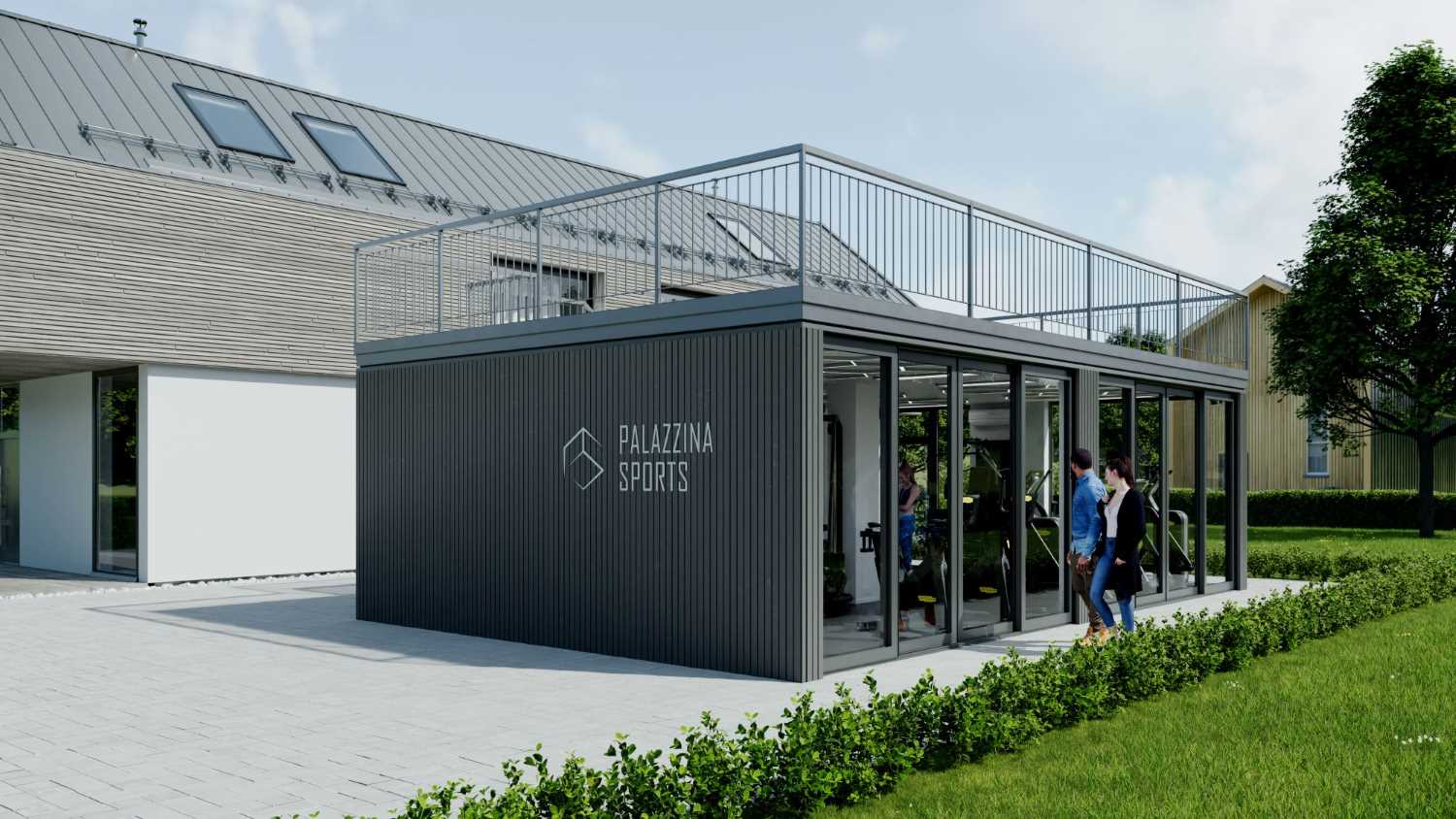
With our Palazzinas, you can have numerous additional wishes fulfilled. From the terrace on the Palazzina roof, a sanitary area and special interior and exterior wishes to the individual composition of the individual sports equipment.
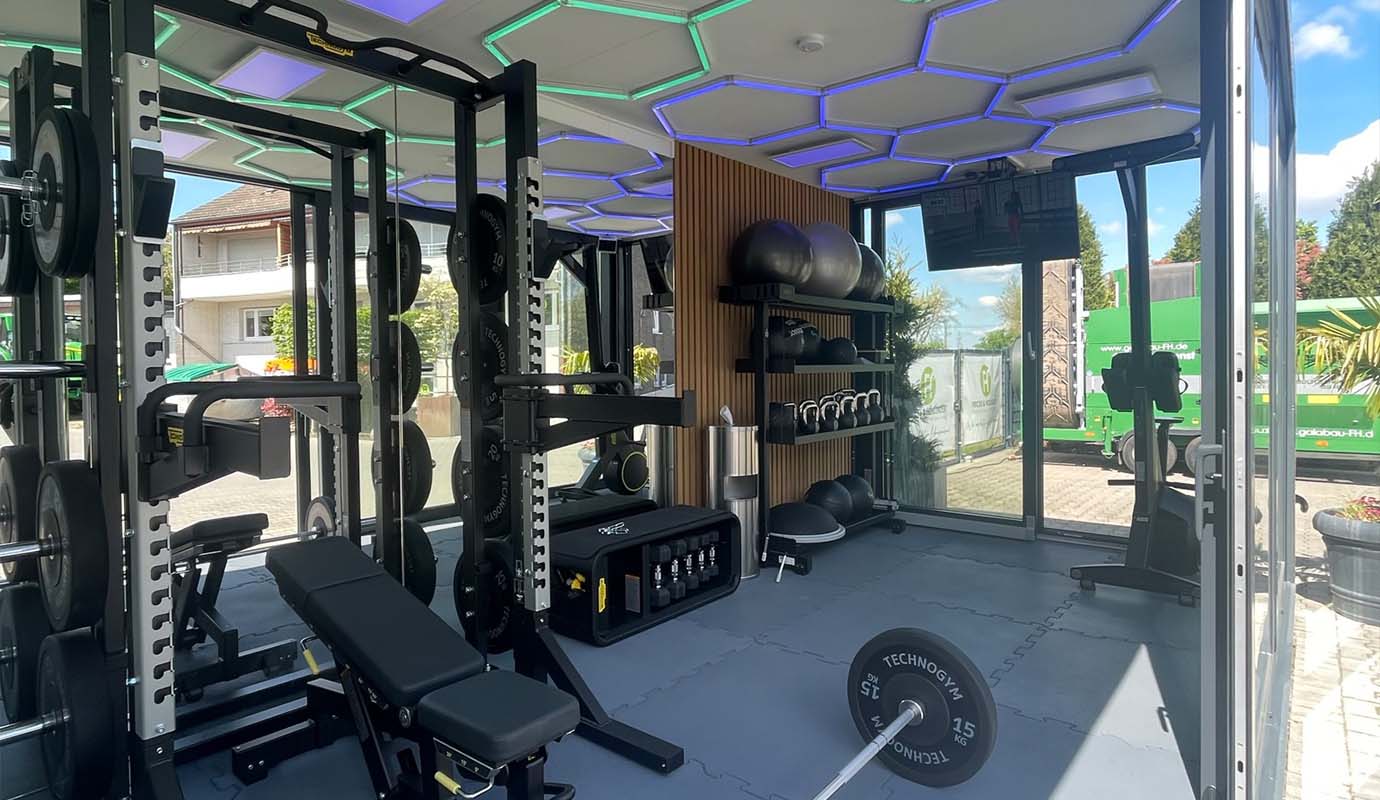
Palazzina Showroom
Convince yourself of our innovative concept!
Discover the future of the gym in our showroom and experience the diverse possibilities of our modular gym.